Leslie Kathman, APRN
The Morrison Cancer Center
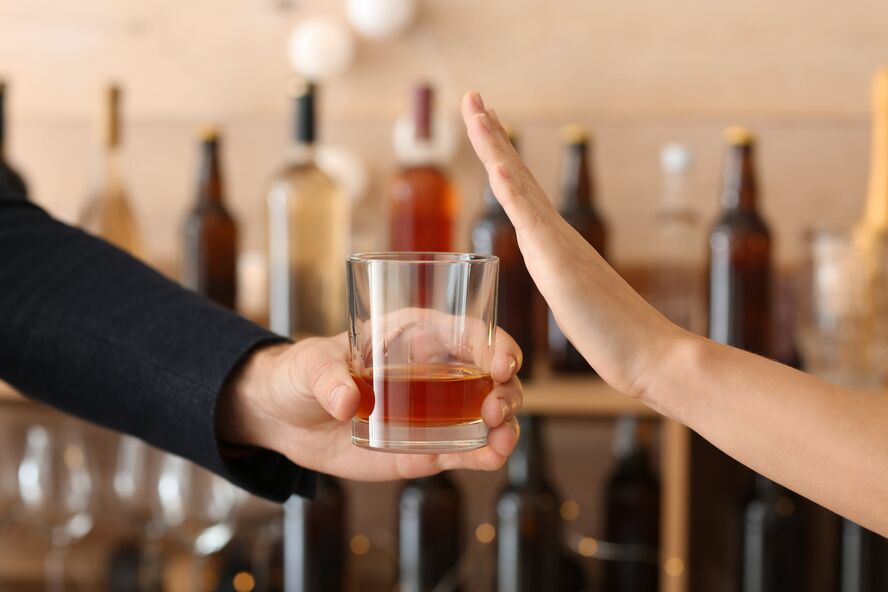
Alcohol has been identified as the third leading preventable cause of cancer, behind tobacco and obesity. Alcohol is directly related to six types of cancer: mouth, throat/larynx, esophageal, liver, breast and colorectal. Each year, 20,000 adults die from cancers directly related to alcohol consumption. This is more than the 13,500 annual alcohol-related traffic deaths.
Alcohol consumption increases cancer risk in several different ways. Drinking alcohol causes chronic inflammation and damage to DNA cells. When DNA is damaged, normal cells can grow out of control and become cancerous. Alcohol also has a direct impact on hormone levels in the body, including estrogen which is directly associated with breast cancer. In addition, alcohol consumption decreases the body’s ability to absorb necessary vitamins and minerals such as Vitamin B1, Vitamin D and Vitamin E, which are essential for immune system functioning and to slow/prevent cancer growth. Alcohol contains many carcinogenic (cancer-causing agents) such as nitrosamines, asbestos fibers, phenols and hydrocarbons.
Even light alcohol consumption increases the risk of esophageal cancer by 30%, and as much as 400% for heavy consumption. The combination of alcohol and tobacco greatly increases the risk of cancer to the oral cavity, throat, voice box and esophagus. Drinking alcohol increases the absorption rates of carcinogens in tobacco products. Tobacco is the number one preventable cause of cancer in the United States, causing 30% of all cancer-related deaths annually.
All forms of alcohol are considered carcinogenic. Red wine was believed to decrease cancer risk, however, there has been no scientific evidence to support this belief. Beginning in 2025, the Surgeon General recommends that health warning labels be placed on alcoholic beverages that will include the cancer-causing risk of each beverage. Discontinuation of alcohol consumption will decrease your elevated risk for developing cancer, however it will take several years for your cancer risk to return to that of a person who did not consume alcohol.
For more information, please contact the Morrison Cancer Center in Hastings or Grand Island.
References:
Alcohol and cancer risk (2021), National Cancer Institute. https://www.cancer.gov/about-cancer/causes-prevention/risk/alcohol/alcohol-fact-sheet
Alcohol and cancer (2025), Centers for Disease Control and Prevention (CDC). https://www.cdc.gov/cancer/risk-factors/alcohol.html
The sobering truth: How alcohol affects cancer risk (2025). https://health.clevelandclinic.org/alcohol-and-cancer